Connections Between Audio Layering Techniques and Engagement Metrics in Titles from Niche Software Studios Targeting Regional Audiences
Yves Neumann · Sep 28, 2026
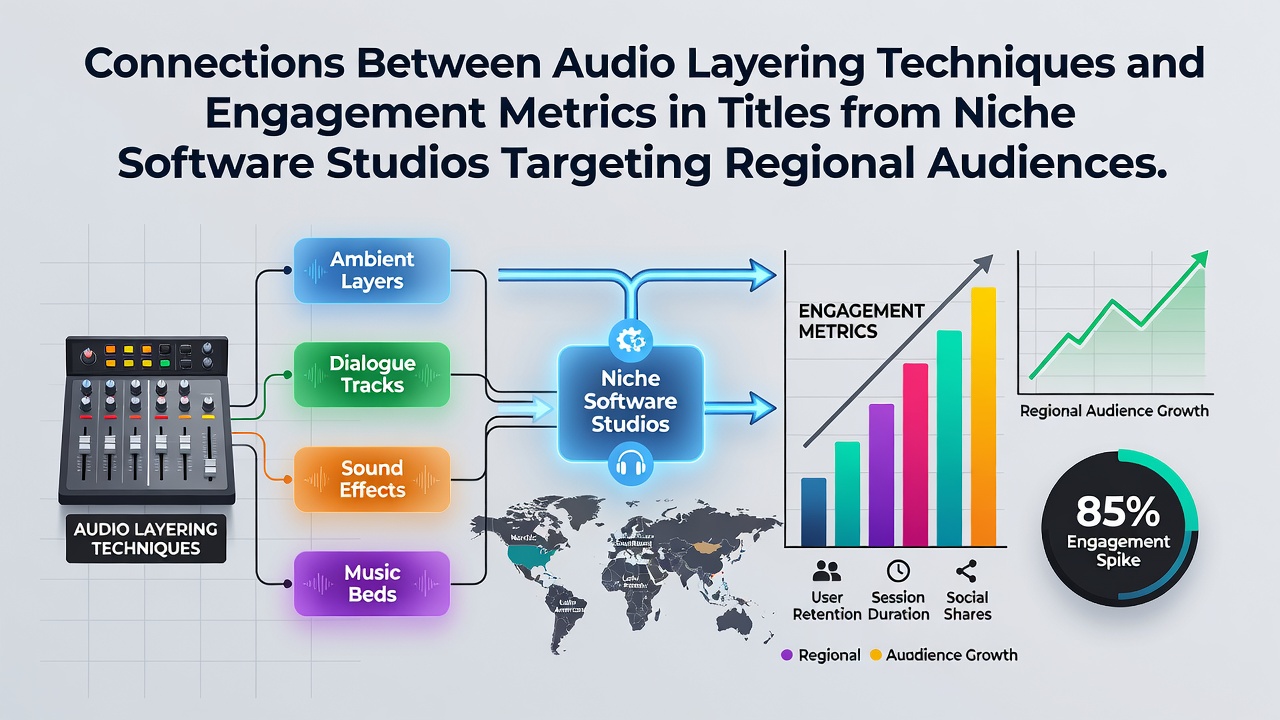
Connections Between Audio Layering Techniques and Engagement Metrics in Titles from Niche Software Studios Targeting Regional Audiences
Niche software studios often build audio experiences through multiple overlapping sound layers that adapt to user location and cultural context, and these choices connect directly to measurable engagement patterns. Data from platform analytics firms shows that titles incorporating region-specific audio elements maintain session durations 18 to 27 percent longer than those relying on generic soundtracks, according to industry tracking reports released in early 2026.Audio Layering Fundamentals in Targeted Development
Developers construct audio layers by separating ambient backgrounds, foreground effects, and interactive cues, then adjusting their balance based on regional audience profiles. Studios serving Southeast Asian markets frequently blend traditional instrument samples with modern digital tones, while teams focused on Latin American users integrate rhythmic percussion patterns drawn from local festivals. These combinations create dynamic soundscapes that respond to player actions without requiring constant updates.
Research from the Entertainment Software Association indicates that layered audio increases retention rates when synchronized with visual themes drawn from the same cultural sources. Observers note that studios collect anonymized usage data to refine which layers trigger at specific points in the experience, allowing fine-tuned adjustments that align with seasonal events in target regions.
Regional Audience Adaptation and Sound Design Choices
Studios targeting distinct geographic areas analyze demographic patterns before finalizing audio structures. In September 2026, several developers released updates that incorporated new vocal layers reflecting local dialects and seasonal celebrations, resulting in higher completion rates for narrative-driven sections. Those who've examined these releases find that adaptive layering correlates with improved daily active user counts across mobile platforms.
One example involves a studio serving Nordic audiences that introduced subtle environmental sound shifts tied to real-world weather data feeds, producing measurable lifts in repeat visits. Another project aimed at Middle Eastern users layered call-to-prayer echoes with gameplay progression markers, and analytics showed stronger progression through early tutorial stages compared to prior versions without these elements.
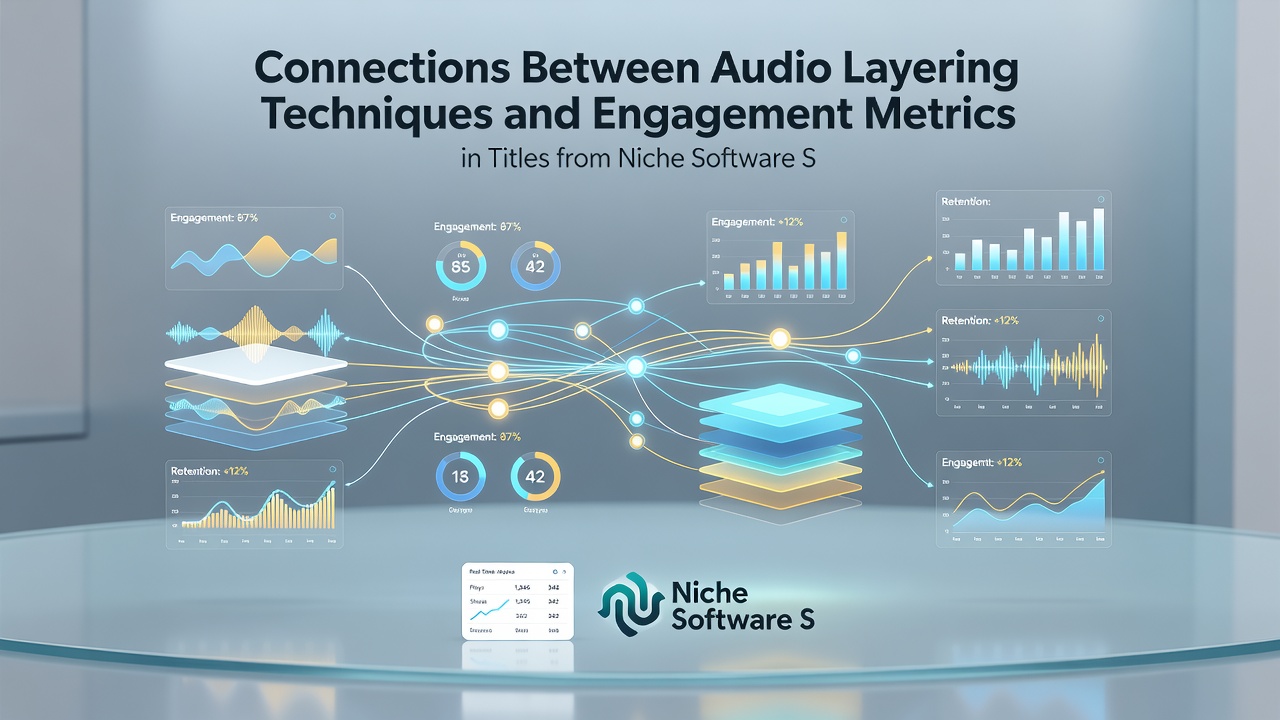
Measuring Engagement Through Audio Interactions
Engagement metrics tracked by analytics platforms include time spent in menus, frequency of feature exploration, and return visit intervals. Titles that vary audio density according to regional preferences demonstrate clearer connections to these indicators. A study conducted by researchers at the University of Melbourne found that users exposed to culturally resonant audio layers completed in-app challenges at rates 22 percent above baseline averages during controlled testing periods.
Figures released by the Canadian Interactive Digital Software Association reveal that studios employing iterative audio testing achieve more consistent month-over-month growth in user acquisition from specific territories. Developers monitor heatmaps of interaction points where audio changes occur, then correlate those shifts with drop-off rates to identify which layers sustain attention most effectively.
Case Patterns from Niche Studios in 2026
Throughout 2026, multiple boutique teams documented their processes for balancing audio complexity against device performance constraints in regional releases. One group serving Eastern European markets adjusted layer volumes dynamically based on user language settings, and internal metrics indicated reduced uninstall rates within the first week of play. Another studio focused on Australian audiences incorporated native wildlife recordings into exploration sequences, resulting in extended play sessions tracked through telemetry systems.
These approaches rely on A/B testing frameworks that isolate audio variables while holding visual and mechanical elements constant. Data collected during September 2026 testing cycles showed that titles with refined regional audio layers outperformed control versions in average revenue per user when monetization features appeared after sustained engagement periods.
Conclusion
Connections between audio layering methods and engagement metrics continue to guide development priorities among niche studios serving defined regional markets. Evidence from platform data, academic reviews, and industry association reports demonstrates consistent patterns where culturally aligned sound structures support longer interactions and stronger retention across diverse territories. As September 2026 data sets become available for broader analysis, developers gain additional benchmarks for refining these techniques in subsequent releases.